Entry · Ref AUUNIXNQ
How a General Dentist Supports Lifelong Dental Health
- Posted
- 2026-10-20
- Last amended
- 2026-10-20
- Account
- @edwinltdj589
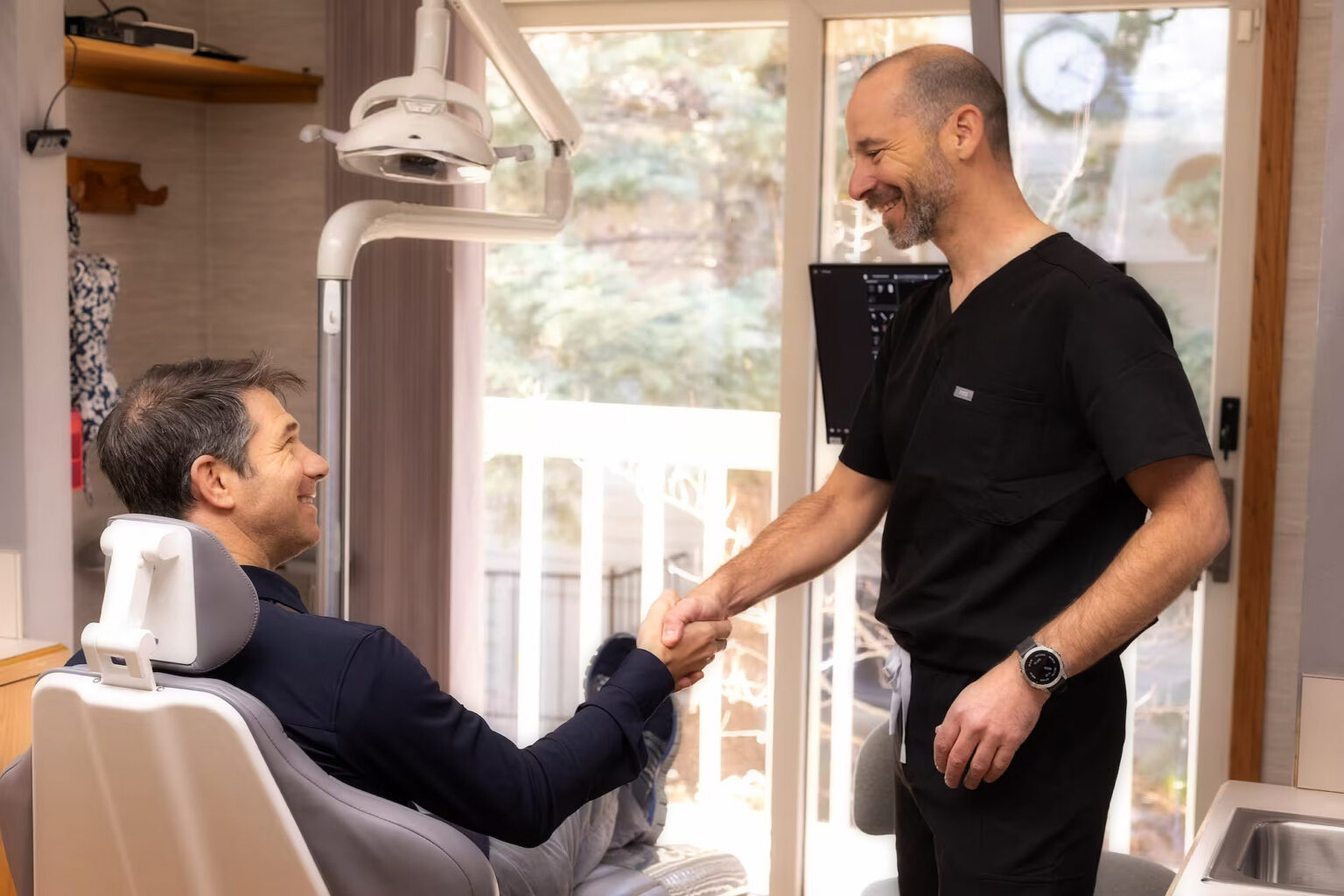

Most people do not spend much time thinking about their teeth until something hurts. A cracked molar, bleeding gums, a child with a first cavity, a denture that no longer fits quite right, these General Dentist Aspenwood Dental Associates moments tend to force dental care into focus. Yet lifelong oral health is rarely built in response to emergencies alone. It develops through steady attention, informed prevention, timely treatment, and a relationship with a clinician who sees the whole picture over time. That is where a General Dentist plays a central role.
A general practice is often the front door to oral healthcare. For children, it may be the first place where a positive or negative attitude toward dentistry takes shape. For adults, it becomes a practical base for cleanings, fillings, crowns, gum monitoring, oral cancer screenings, and advice that adjusts with age, health conditions, and habits. For older patients, it can mean preserving function, comfort, and dignity when dry mouth, medications, dexterity issues, or tooth loss start to complicate daily life.
The value of a General Dentist is not just technical skill, though that matters. It is continuity. Over years, a dentist notices patterns that do not show up in a single appointment. A patient who chips teeth every winter may be clenching from work stress. A teenager with suddenly inflamed gums may have changed oral hygiene routines after getting orthodontic appliances. An older adult with a spike in cavities near the gumline may be dealing with medication-related dry mouth. Dentistry works best when these patterns are recognized early, before they become expensive, painful, or difficult to reverse.
The long view matters more than most people realize
Teeth and gums age along with the rest of the body. So do the risks around them. A child is more vulnerable to decay in the grooves of newly erupted molars. A young adult may be more affected by sports injuries, wisdom teeth, inconsistent home care, or the dietary habits that come with college and shift work. In the middle decades, restorations begin to accumulate, gum recession becomes more common, and stress-related grinding may show up as worn enamel or jaw soreness. Later in life, root surfaces become exposed, medical complexity increases, and small problems can have larger consequences.
A General Dentist tracks these transitions. This matters because oral disease is cumulative. Cavities do not always arrive as dramatic holes. Gum disease does not begin with loose teeth. Wear does not announce itself loudly at first. Much of dentistry involves catching trouble while it is still modest. A tiny area of decay may need a small filling today, while the same tooth might need a root canal and crown if left alone for several years. Mild gingivitis can often be reversed with better home care and routine cleanings, while untreated periodontal disease may gradually erode the supporting bone around teeth.
The patients who do best over the long term are not necessarily the ones with perfect habits from day one. More often, they are the ones whose care remains consistent enough for course correction. Missed cleanings happen. Life gets crowded. Insurance changes. Pregnancies, job losses, caregiving, relocations, and illness can all interrupt routine care. A good General Dentist helps patients re-enter care without judgment and picks up where they are, not where they should have been.
Prevention is not a slogan, it is a strategy
Preventive dentistry sometimes gets reduced to a reminder about brushing and flossing, but in practice it is much more nuanced. Prevention means identifying a patient’s specific risk profile and adjusting care accordingly. Two adults of the same age can sit in neighboring chairs and need entirely different advice. One may have low cavity risk but significant clenching. The other may have minimal wear but frequent decay because of dry mouth, acidic beverages, or poor plaque control around crowded teeth.
At regular exams, a General Dentist is evaluating several things at once. Are there early cavities between the teeth? Has an old filling started to leak? Are the gums stable or inflamed? Is recession exposing softer root surfaces? Are there changes in bite, jaw function, or soft tissues? Has a patient’s medical history shifted in a way that changes treatment decisions? These questions shape preventive planning far more than a one-size-fits-all script ever could.
The practical side of prevention can look ordinary from the patient’s perspective. A cleaning every six months, bitewing radiographs at intervals that match risk, fluoride recommendations, a night guard for grinding, or sealants for a child’s permanent molars may not feel dramatic. Yet these decisions often save teeth. In my experience, the least flashy interventions are frequently the most valuable. A well-made night guard can prevent years of fracture and wear. A frank conversation about sipping sports drinks over several hours can stop a cycle of enamel erosion. Catching a failing filling before it cracks the tooth can spare someone from more invasive work.
One of the most important preventive services a General Dentist provides is context. Patients often know that sugar is “bad for teeth,” but they may not understand that frequency matters as much as quantity. Sipping a sweetened coffee all morning can expose teeth to repeated acid attacks, even if the drink itself does not seem especially indulgent. People may assume vigorous brushing is better, when in fact aggressive brushing with a hard brush can contribute to gum recession and abrasion. These are not obscure details. They shape daily outcomes.
Early detection changes the entire treatment path
Good dentistry is often invisible because it happens before a patient feels anything. Many of the conditions that threaten oral health begin quietly. Interproximal decay between teeth may not hurt until it reaches deeper layers. Small cracks in molars may only cause occasional sensitivity at first. Gum disease can progress with little pain. Suspicious soft-tissue changes may appear in areas a patient never sees in the mirror.
This is why periodic examinations still matter for people who think their mouth feels fine. Pain is a late sign in many dental problems. By the time chewing becomes difficult or a tooth starts throbbing, treatment has often become more involved.
A General Dentist also sees how different conditions overlap. Consider a common scenario: a patient who grinds at night develops flattened chewing surfaces and small fractures. Those weakened areas collect plaque more easily. Gum recession then exposes root surfaces, which are more vulnerable to decay. If dry mouth from medication is also present, the risk increases further. No single factor explains the whole picture. A clinician who knows the patient over time can connect those dots.
There is also real value in comparison. When the same office has records, radiographs, and photos spanning years, changes become clearer. A spot that was stable can be monitored with confidence. A lesion that has enlarged can be addressed promptly. A General Dentist is not merely identifying what exists on a given day, but interpreting what has changed and what that change means.
Restorative care is about preserving function, not just fixing holes
When treatment is needed, the job of a General Dentist is not simply to repair a defect. It is to restore comfort, function, and structure while preserving as much healthy tooth as possible. That principle sounds straightforward, but it requires judgment.
A small cavity may call for a conservative filling. A tooth with a large failing restoration and a crack may be better protected with a crown. A severely damaged tooth might require referral for endodontic treatment, extraction, or implant planning. Choosing wisely means weighing the condition of the tooth, the patient’s age, bite forces, oral hygiene, financial realities, and long-term prognosis.
This judgment becomes especially important when patients are trying to decide between “doing the minimum” and investing in more durable care. There are times when a limited repair is a reasonable bridge, especially if someone is navigating cost constraints or a major life transition. There are other times when patchwork dentistry leads to repeated failure. An honest General Dentist explains these trade-offs clearly.
I have seen patients hang onto heavily restored teeth for years with well-timed maintenance and realistic expectations. I have also seen small delays turn a manageable problem into a complex one. A lost filling that seems minor can become a fractured cusp. A cracked tooth that hurts only occasionally can split beyond repair. A crown placed at the right time may preserve a tooth that would otherwise be lost. The goal is not to overtreat. It is to intervene at the moment when treatment still has leverage.
Gum health is the foundation many people overlook
Patients often think of dental care in terms of teeth alone, but the gums and supporting bone determine whether teeth remain stable. A beautiful restoration on a tooth with advancing periodontal disease sits on shaky ground. This is why a General Dentist pays close attention to gum measurements, bleeding, recession, plaque levels, and radiographic bone support.
Gingivitis is common and often reversible. Periodontitis is more serious because it involves destruction of the structures that anchor teeth. Age can increase risk, but it is not the true cause. Plaque, smoking, diabetes, genetics, inconsistent maintenance, and limited dexterity all influence gum outcomes. Some patients are surprised to learn that they can have relatively few cavities and still develop significant periodontal problems.
The challenge with gum disease is that it often progresses quietly. A patient may notice some bleeding or occasional bad breath and assume it is minor. Years later, bone loss can become evident on radiographs, and treatment becomes more demanding. A General Dentist helps interrupt that process with routine monitoring, scaling and root planing when needed, maintenance intervals tailored to risk, and referral to a periodontist when disease becomes advanced or unresponsive.
There is also an important behavioral side to gum health. Technique matters. Someone who says, “I brush twice a day,” may still be missing the gumline consistently. Another patient may floss only when food gets stuck, which does little to control routine inflammation. Small improvements, done daily, often matter more than periodic bursts of motivation. Dentists and hygienists who coach without lecturing tend to get better long-term results.
Dental care changes at every life stage
The phrase lifelong dental health sounds broad, but it becomes more meaningful when viewed through the practical needs of each age.
For children, the role of a General Dentist often begins with prevention and habit formation. Parents need guidance on fluoride, bottle use, thumb sucking, eruption patterns, sealants, and the difference between normal spacing and concerns that deserve orthodontic evaluation. Equally important, children learn whether dental visits feel manageable or frightening. A calm first experience has a long tail.
Adolescents bring different issues. Sports guards, diet, oral hygiene around braces, erupting wisdom teeth, and cosmetic self-consciousness become part of the conversation. This is also a time when routines get less consistent. A teen who was cavity-free at twelve may return at sixteen with several lesions because sugary drinks, late-night snacking, and rushed brushing have become the norm.
Adults often carry the heaviest mix of variables. Work stress, pregnancy, medications, tobacco, grinding, old restorations, and uneven home care can all influence oral health. Many adults also reach the stage where previous dental work begins to age. Fillings placed fifteen or twenty years ago may no longer seal perfectly. Crowns may still function well but need monitoring at the margins. The mouth reflects accumulated history.
For older adults, a General Dentist becomes especially important in helping patients maintain independence and function. Root decay, dry mouth, reduced dexterity, dietary shifts, ill-fitting partials or dentures, and more complex medical histories all require adaptation. What worked at forty may not work at seventy-five. Electric toothbrushes, prescription fluoride, modified hygiene tools, shorter recall intervals, and simpler restorative decisions can make a large difference.
The connection between oral health and overall health is practical, not abstract
It is easy to overstate medical links in ways that sound dramatic, but the everyday relationship between oral health and general health is real and well within the experience of any busy dental office. A General Dentist regularly treats patients whose mouths reflect broader health conditions or whose medical treatment affects oral tissues.
Diabetes can complicate healing and increase susceptibility to gum disease when poorly controlled. Certain blood pressure medications, antidepressants, antihistamines, and other common drugs can reduce saliva, raising cavity risk. Pregnancy can increase gum sensitivity and inflammation. Acid reflux can contribute to enamel erosion. Autoimmune conditions may cause dry mouth or oral lesions. Cancer therapy can create major challenges with mucosal health and salivary flow.
The exchange of information between medical and dental care matters here. A General Dentist reviews health histories, updates medication lists, asks about surgeries, blood thinners, joint replacements when relevant to planning, and monitors how these factors shape treatment. Sometimes the dental visit is where a patient first learns that a dry mouth complaint is more than an annoyance, or that persistent bleeding gums deserve closer attention alongside diabetic management.
Oral function also influences nutrition and quality of life. People with painful teeth or unstable dentures often avoid fresh fruits, vegetables, proteins, and other foods that require chewing. They adapt in ways that may not be ideal for health. Maintaining a comfortable bite and dependable dentition supports more than appearance. It supports eating, speaking, social confidence, and daily ease.
A trusted General Dentist helps patients make sense of options
Dentistry can feel opaque to patients. Terms like onlay, crown, periodontal pocket, periapical lesion, occlusal adjustment, or recurrent decay are not part of everyday conversation. Patients often enter appointments anxious about pain, cost, time away from work, or whether treatment is truly necessary. A skilled General Dentist does more than diagnose. They translate.
The best treatment conversations are clear, calm, and specific. Instead of vague warnings, patients need practical explanations. This filling is failing because the edge no longer seals and decay is starting underneath it. This crack has not reached the nerve, but the tooth is structurally weakened and a crown would help prevent fracture. These gum measurements show areas of inflammation that are no longer just a cleaning issue.
Trust grows when dentists explain what can wait, what should not wait, and why. Not every finding is urgent. Monitoring is a valid clinical choice in many cases. A tiny craze line may not require treatment. A stable area can be documented and watched. Patients notice when a dentist exercises restraint. It makes necessary treatment recommendations easier to believe.
There is also wisdom in acknowledging limits. Some cases need a specialist. Complex root canals, advanced periodontal surgery, difficult extractions, implant placement, or significant orthodontic concerns may fall outside what is best handled in a general practice. Good general dentistry includes knowing when referral serves the patient better than keeping everything in-house.
Continuity of care is one of the strongest predictors of good outcomes
When patients stay connected to one primary dental home, care tends to become more coherent. Records accumulate. Patterns emerge. The dentist knows which crown has been sensitive from the beginning, which filling has been watched for years, which area of recession worsens during stressful periods, and which patient tends to postpone care until it becomes urgent. That familiarity is clinically useful.
Continuity also improves decision-making over time. A new dentist can absolutely provide excellent care, but long-term knowledge adds nuance. If a patient has a history of breaking porcelain because of strong bite forces, future restorative choices may change. If someone has repeatedly developed decay under certain types of restorations in high-risk areas, prevention may be intensified before another repair cycle begins. Dentistry is full of these small calibrations.
Patients sometimes underestimate how much oral health is shaped by ordinary maintenance rather than dramatic procedures. The people who keep their teeth for life often are not dental enthusiasts. They simply maintain a steady relationship with a General Dentist, show up often enough for problems to be caught early, and accept that the mouth, like the rest of the body, needs regular care.
What patients can expect from a lifelong dental partnership
A healthy long-term relationship with a General Dentist is not built on fear or sales pressure. It is built on communication, prevention, and realistic planning. Over time, patients should expect their dentist to do a few things consistently: monitor changes carefully, tailor recommendations to actual risk, explain treatment in plain language, respect financial and medical realities, and help prioritize care when everything cannot be done at once.
Patients should also expect dental advice to evolve. A person who once needed little more than routine cleanings may later need a night guard, fluoride support, or more frequent periodontal maintenance. That shift does not mean previous care failed. It often means the mouth, habits, health status, or restorations have changed.
The relationship works best when patients share changes promptly. New medications, dry mouth, jaw pain, pregnancy, diabetes diagnosis, changes in smoking or vaping habits, and trouble cleaning around a bridge or retainer all matter. These details help a General Dentist protect oral health more effectively.
For many families, the general practice becomes one of the most durable healthcare relationships they have. The dentist watches children become adults, sees parents through restorative cycles, helps grandparents preserve chewing comfort, and adapts care through all the messiness of real life. There is quiet value in that continuity. Teeth may be small structures, but the work of keeping them healthy touches speech, nutrition, comfort, appearance, confidence, and everyday function in ways that accumulate over decades.
A General Dentist supports lifelong dental health not through a single procedure or one perfect checkup, but through repeated, informed decisions that preserve what can be preserved and address what needs attention General Dentist before it turns into something larger. That steady, practical care is what keeps oral health from becoming a crisis and turns it into part of a well-lived life.
Aspenwood Dental Associates and Colorado Dental Implant Center
2900 S Peoria St Ste C, Aurora, CO 80014, United States
+1 303-731-4037
FAQ About General Dentist
How long do teeth fillings last in Aurora, CO?
Fillings can last for years, but they are not lifetime restorations. Their durability depends on the material, the size and location of the filling, chewing forces, and oral hygiene. A general dentist can examine a filling for wear, damage, or new decay and explain whether monitoring, repair, or replacement is appropriate. Age alone does not establish that a filling needs replacement.
How Can I Reduce Dental Anxiety?
Tell the dental team about your concerns when booking and again at your visit. Ask for an explanation of each step, agree on a signal for breaks, and consider slow breathing or headphones if the practice permits them. Discuss pain control and any sedation options with the dentist; suitability depends on your health, medicines, and planned treatment.
When should your child first see a dentist in Aurora?
Arrange the first dental visit within six months after the first tooth appears and no later than the first birthday. Early visits allow the dentist to assess development and discuss brushing, fluoride, feeding habits, and cavity prevention. Ask the practice whether it sees infants and how it handles referrals when a child needs specialist care.